Complex CABG Surgery
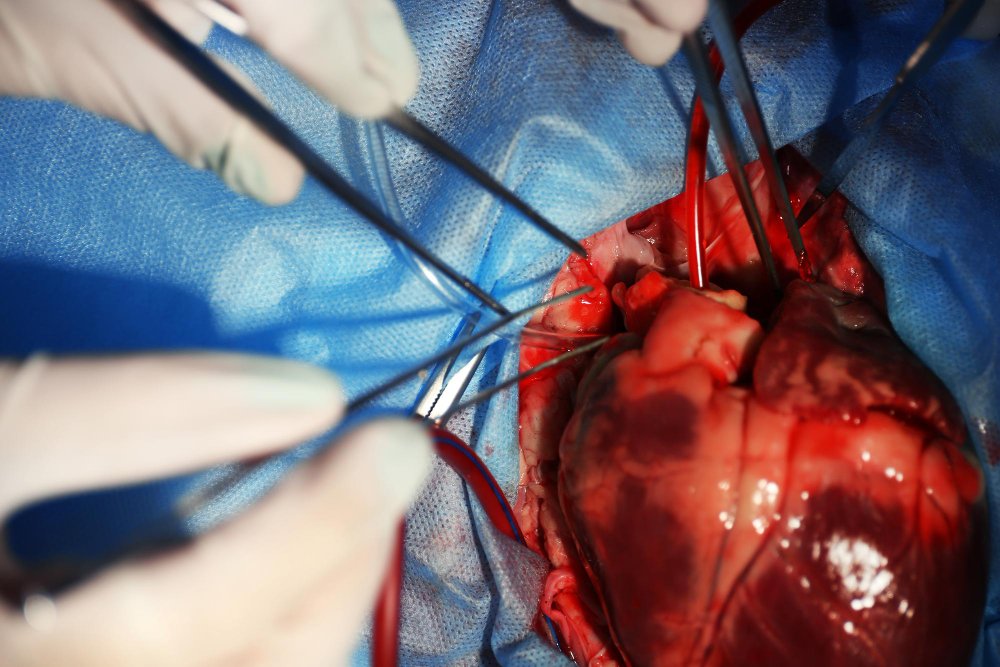
Complex CABG Surgery
Comprehensive Evaluation for Complex Coronary Artery Bypass Surgery
Heart surgery is never the same for every patient. While Coronary Artery Bypass Grafting (CABG) is a well-established treatment for coronary artery disease, some patients require a more detailed evaluation because their heart condition presents additional challenges. These cases are often referred to as Complex CABG, where treatment planning extends beyond the number of blocked arteries or the number of bypass grafts.
At Dr. Karan Porwal’s practice, every patient is assessed individually to understand the complexity of coronary artery disease, heart function, associated medical conditions, and overall surgical considerations.
What is Complex CABG?
Complex CABG refers to coronary artery bypass surgery in patients whose coronary artery disease or overall medical condition requires detailed surgical planning and multidisciplinary evaluation. Complexity is not defined by a single test result or the number of grafts performed. Instead, it reflects a combination of anatomical, clinical, and patient-specific factors.
Factors Increasing Complexity
- Age-related Triple Vessel Disease (TVD)valve degeneration
- Left Main Coronary Artery Disease
- Diffuse Coronary Artery Disease
- Calcified Coronary Arteries
- Previous Coronary Stents or Restenosis
- Reduced Left Ventricular Function (Low EF)
- Diabetes with Multivessel Disease
- Chronic Kidney Disease
- Combined Coronary and Valve Disease
Specific Clinical Considerations
- Coronary Anatomy Matters: Not all coronary blockages are the same. Treatment approaches depend on the location of the blockage, number of arteries involved, size and quality of target vessels, and extent of disease.
- Diffuse Disease: In some patients, blockages are spread throughout long segments of the arteries. This means healthy target vessels may be limited, requiring highly individualized graft planning.
- Diabetes: Patients with diabetes often experience more extensive, diffuse arterial involvement and smaller coronary vessels, necessitating comprehensive pre-operative evaluation.
- Low Ejection Fraction (Low EF): Reduced heart function requires assessment of overall cardiac function, viability of heart muscle, and pulmonary pressure. It does not automatically rule out CABG, but strongly influences surgical and perioperative management.
Why the Number of Grafts Does Not Define Complexity
A common misconception is that a higher number of bypass grafts automatically means a more difficult operation. In reality, surgical complexity depends on coronary anatomy, vessel quality, calcification, previous procedures, and overall patient health. Every operation is planned according to specific clinical needs rather than graft count alone.
Multidisciplinary Decision-Making
Complex coronary disease often benefits from collaboration between Cardiac Surgeons, Cardiologists, Anaesthesiologists, and Intensive Care Specialists. This supports informed, tailored treatment planning.
- Severity of valve narrowing or leakage
- Symptoms
- Heart function
- Enlargement of heart chambers
- Pulmonary pressure
- Overall health
- Associated coronary artery disease
- Risk of delaying treatment
A comprehensive evaluation helps determine the most appropriate timing and treatment strategy.
Diagnostic Evaluation
Evaluation of heart valve disease may include:
- Detailed medical history
- Echocardiography (2D Echo)
- Electrocardiogram (ECG)
- Cardiac CT or MRI, if required
- Physical examination
- Transesophageal Echocardiography (TEE)
- Chest X-ray
- Coronary Angiography
- Cardiac function assessment
Valve Repair vs Valve Replacement
One of the most important discussions during consultation is whether the affected valve can be repaired or requires replacement.
Heart Valve Repair
When appropriate, repairing the patient’s own valve may help preserve natural valve function. Potential advantages may include:
- Preservation of native valve tissue
- Improved heart function in selected patients
- Reduced need for long-term anticoagulation in certain situations
Suitability depends on the type and severity of valve disease.
Heart Valve Replacement
If repair is not feasible, valve replacement may be considered. Replacement options may include:
- Mechanical Valves
- Biological (Tissue) Valves
The choice depends on multiple factors, including age, medical history, lifestyle, and long-term treatment considerations.
Combined Valve and CABG Surgery
Some patients have both coronary artery disease and heart valve disease. When clinically appropriate, surgical planning may involve treating both conditions during the same operation. A combined procedure is considered only after careful evaluation of the patient’s overall condition and treatment goals.
Minimally Invasive Valve Surgery
Certain patients may be suitable for minimally invasive approaches using smaller incisions. However, this depends on:
- The type of valve disease
- Patient anatomy
- Previous surgeries
- Overall medical condition
- Institutional resources
- Surgical assessment
The surgical approach is selected after determining the most appropriate treatment for the individual patient.
Preparing for Heart Valve Surgery
Before surgery, patients receive guidance regarding:
- Intensive monitoring after surgery
- Early mobilisation
- Wound care
- Lifestyle modifications
- Regular follow-up visits
- Pain management
- Breathing exercises
- Cardiac rehabilitation
- Medication management
Recovery After Heart Valve Surgery
Recovery varies depending on the patient’s health, the type of valve procedure, and individual healing. Recovery generally includes:
- Intensive monitoring after surgery
- Early mobilisation
- Wound care
- Lifestyle modifications
- Regular follow-up visits
- Pain management
- Breathing exercises
- Cardiac rehabilitation
- Medication management
Long-Term Heart Health
Successful treatment extends beyond surgery. Long-term care focuses on:
- Regular cardiac follow-up & Medication adherence
- Blood pressure, Diabetes, and Weight management
- Healthy diet & Physical activity
- Monitoring valve function & Preventing future disease
Schedule a Consultation
If you have been diagnosed with heart valve disease, advised to consider valve repair or valve replacement, or would like a comprehensive cardiac surgical evaluation, schedule a consultation with Dr. Karan Porwal.
Consult Dr. Karan Porwal