Heart Valve Surgery
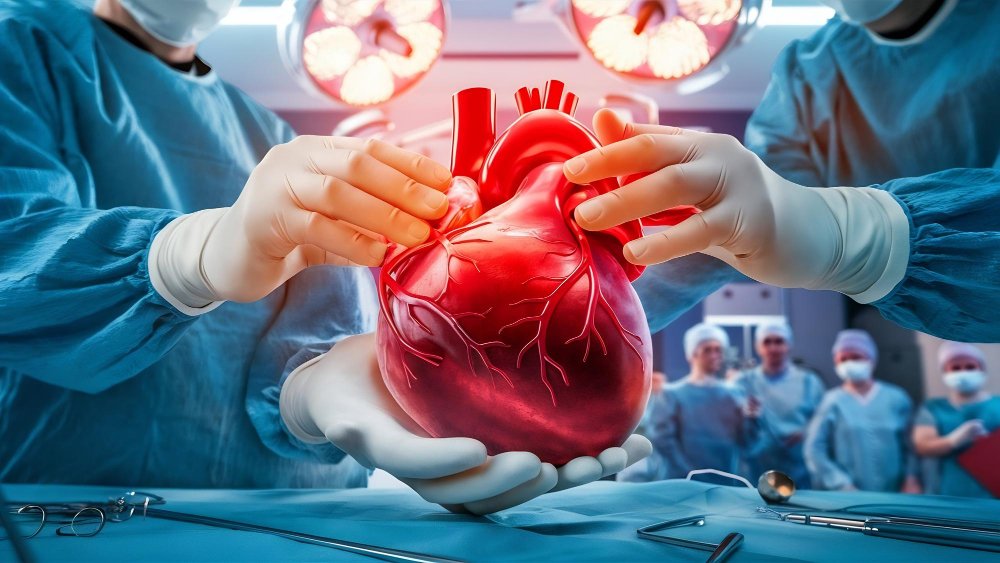
Heart Valve Surgery
Expert Heart Valve Evaluation and Personalized Surgical Care
Heart valves play a vital role in maintaining smooth blood flow through the heart. When one or more heart valves become narrowed, damaged, or leaky, the heart has to work harder to pump blood efficiently. If left untreated, severe valve disease may affect heart function, reduce quality of life, and increase the risk of complications.
At Dr. Karan Porwal’s Cardiac Surgery Practice, every patient with heart valve disease undergoes a comprehensive evaluation before any treatment recommendation is made. Surgical decisions are based on the type of valve disease, its severity, heart function, symptoms, and the patient’s overall health—not on a single test result alone.
Whether you have been diagnosed with mitral valve disease, aortic valve disease, tricuspid valve disease, or multiple valve disorders, Dr. Karan Porwal provides evidence-based evaluation and personalized surgical planning to help patients understand their treatment options and make informed decisions.
What is Heart Valve Disease?
The human heart has four valves that regulate the flow of blood:
- Aortic Valve
- Mitral Valve
- Tricuspid Valve
- Pulmonary Valve
Each valve opens and closes with every heartbeat to ensure blood moves in the correct direction. When a valve does not function properly, blood flow becomes inefficient, placing extra strain on the heart. Heart valve disease generally occurs in two forms:
Valve Stenosis (Narrowing)
The valve opening becomes narrowed, restricting blood flow and making it harder for the heart to pump blood.
Valve Regurgitation (Leakage)
Causes of Heart Valve Disease
Heart valve disease can develop due to several factors, including:
- Age-related valve degeneration
- Congenital heart valve abnormalities
- Rheumatic heart disease
- Heart infections (Infective Endocarditis)
- Coronary artery disease
- Heart attack
- Connective tissue disorders
- Calcification of the valve
- Previous cardiac surgery
Identifying the underlying cause helps guide treatment planning.
Causes of Heart Valve Disease
Heart valve disease can develop due to several factors, including:
- Age-related valve degeneration
- Congenital heart valve abnormalities
- Rheumatic heart disease
- Heart infections (Infective Endocarditis)
- Coronary artery disease
- Heart attack
- Connective tissue disorders
- Calcification of the valve
- Previous cardiac surgery
Identifying the underlying cause helps guide treatment planning.
Symptoms of Heart Valve Disease
Symptoms vary depending on the affected valve and the severity of the condition. Common symptoms include:
- Shortness of breath
- Fatigue
- Palpitations
- Swelling of the legs and ankles
- Chest discomfort
- Reduced exercise tolerance
- Dizziness or fainting
- Irregular heartbeat
Some patients may remain symptom-free in the early stages, making regular evaluation important when valve disease is detected on imaging.
When is Heart Valve Surgery Considered?
Not every patient with valve disease requires surgery. The decision depends on several factors, including:
- Severity of valve narrowing or leakage
- Symptoms
- Heart function
- Enlargement of heart chambers
- Pulmonary pressure
- Overall health
- Associated coronary artery disease
- Risk of delaying treatment
A comprehensive evaluation helps determine the most appropriate timing and treatment strategy.
Diagnostic Evaluation
Evaluation of heart valve disease may include:
- Detailed medical history
- Echocardiography (2D Echo)
- Electrocardiogram (ECG)
- Cardiac CT or MRI, if required
- Physical examination
- Transesophageal Echocardiography (TEE)
- Chest X-ray
- Coronary Angiography
- Cardiac function assessment
Valve Repair vs Valve Replacement
One of the most important discussions during consultation is whether the affected valve can be repaired or requires replacement.
Heart Valve Repair
When appropriate, repairing the patient’s own valve may help preserve natural valve function. Potential advantages may include:
- Preservation of native valve tissue
- Improved heart function in selected patients
- Reduced need for long-term anticoagulation in certain situations
Suitability depends on the type and severity of valve disease.
Heart Valve Replacement
If repair is not feasible, valve replacement may be considered. Replacement options may include:
- Mechanical Valves
- Biological (Tissue) Valves
The choice depends on multiple factors, including age, medical history, lifestyle, and long-term treatment considerations.
Combined Valve and CABG Surgery
Some patients have both coronary artery disease and heart valve disease. When clinically appropriate, surgical planning may involve treating both conditions during the same operation. A combined procedure is considered only after careful evaluation of the patient’s overall condition and treatment goals.
Minimally Invasive Valve Surgery
Certain patients may be suitable for minimally invasive approaches using smaller incisions. However, this depends on:
- The type of valve disease
- Patient anatomy
- Previous surgeries
- Overall medical condition
- Institutional resources
- Surgical assessment
The surgical approach is selected after determining the most appropriate treatment for the individual patient.
Preparing for Heart Valve Surgery
Before surgery, patients receive guidance regarding:
- Intensive monitoring after surgery
- Early mobilisation
- Wound care
- Lifestyle modifications
- Regular follow-up visits
- Pain management
- Breathing exercises
- Cardiac rehabilitation
- Medication management
Recovery After Heart Valve Surgery
Recovery varies depending on the patient’s health, the type of valve procedure, and individual healing. Recovery generally includes:
- Intensive monitoring after surgery
- Early mobilisation
- Wound care
- Lifestyle modifications
- Regular follow-up visits
- Pain management
- Breathing exercises
- Cardiac rehabilitation
- Medication management
Long-Term Heart Health
Successful treatment extends beyond surgery. Long-term care focuses on:
- Regular cardiac follow-up & Medication adherence
- Blood pressure, Diabetes, and Weight management
- Healthy diet & Physical activity
- Monitoring valve function & Preventing future disease
Schedule a Consultation
If you have been diagnosed with heart valve disease, advised to consider valve repair or valve replacement, or would like a comprehensive cardiac surgical evaluation, schedule a consultation with Dr. Karan Porwal.
Consult Dr. Karan Porwal